Blog:Differences Between IPL and LLLT Dry Eye Treatments: Which Is Right for Me?
When artificial tears and home treatments aren’t enough, advanced in-office therapies can provide more lasting relief. Two of the most effective options are Intense Pulsed Light (IPL) and Low-Level Light Therapy (LLLT). While both treatments are designed to improve meibomian gland function and reduce dry eye symptoms, they work in different ways. Understanding these differences can help you and your eye doctor determine which treatment is best for your needs.
Many cases of dry eye are linked to MGD, a condition where the oil-producing glands in the eyelids become blocked or inflamed. These oils are essential for keeping tears from evaporating too quickly. When they’re not working properly, the eyes become dry, irritated, and inflamed.
Both IPL and LLLT are designed to improve gland function and reduce inflammation - but they work in different ways.
IPL uses controlled pulses of broad-spectrum light applied to the skin around the eyes and upper cheeks. This light energy targets inflammation and abnormal blood vessels that contribute to dry eye symptoms.
How IPL helps dry eye:
• Reduces eyelid inflammation
• Helps unclog and improve function of the meibomian glands
• Decreases harmful bacteria and mites (such as Demodex)
• Improves the quality of the tear film
Most patients describe IPL as a quick series of warm flashes. Protective eye shields are worn, and treatments typically take 10-15 minutes.
Best suited for:
• Moderate to severe MGD
• Dry eye associated with inflammation or rosacea
• Patients who haven’t found relief with drops or warm compresses
LLLT uses gentle red or near-infrared light delivered through a mask placed over the eyes. Unlike IPL, LLLT does not produce heat or flashes. Instead, it stimulates cellular activity to promote healing and reduce inflammation.
How LLLT helps dry eye:
• Encourages natural oil production in the glands
• Reduces chronic inflammation
• Improves eyelid circulation
• Supports long-term gland health
LLLT is very relaxing. Patients often compare it to resting with a warm eye mask, with sessions typically lasting about 15-20 minutes.
Best suited for:
• Mild to moderate dry eye
• Patients sensitive to light or heat
• Those looking for a gentler, soothing therapy
The main difference between IPL and LLLT lies in how the light works and what it targets. IPL uses intense pulses of light applied to the skin around the eyes to reduce inflammation, abnormal blood vessels, and bacteria that contribute to meibomian gland dysfunction. LLLT, on the other hand, uses gentle red or near-infrared light delivered through a mask to stimulate cellular activity and support natural healing.
The treatment experience is also different. IPL involves brief flashes of light and a warming sensation, making it a more active treatment. LLLT is calming and comfortable, often compared to wearing a warm eye mask, and is ideal for patients sensitive to light or heat.
In terms of who benefits most, IPL is typically recommended for moderate to severe dry eye, especially when inflammation is a major factor. LLLT is often better suited for mild to moderate dry eye or as a maintenance therapy. In some cases, both treatments are combined for more comprehensive and longer-lasting relief.
There’s no one-size-fits-all answer. Some patients benefit most from IPL, others from LLLT - and many achieve the best results with a combination of both. The right choice depends on:
• Severity of your dry eye
• Health and function of your meibomian glands
• Presence of inflammation, rosacea, or eyelid disease
• Your comfort level and lifestyle needs
In some cases, patients may benefit most from a combination of both IPL and LLLT, as the treatments work in complementary ways. Because every patient’s dry eye condition is different, a dry eye evaluation is essential to determine the most effective treatment plan for your eyes and to decide whether IPL, LLLT, or a combined approach will provide the best results.
Dry eye disease can significantly affect your comfort, vision, and daily quality of life, but advanced treatments like IPL and LLLT offer effective solutions beyond traditional eye drops. Each therapy addresses dry eye in a different way, and in many cases, the best results come from a customized approach tailored to your specific symptoms and eye health.
Schedule a dry eye evaluation to determine at Vision Center of Lake Norman to determine whether IPL, LLLT, or a combination of both is right for you. Visit our office in Mooresville, North Carolina, or call (704) 200-9477 to book an appointment today.
Flowbite is an open-source library of interactive components built on top of Tailwind CSS including buttons, dropdowns, modals, navbars, and more.
Check out this guide to learn how to get started and start developing websites even faster with components on top of Tailwind CSS.
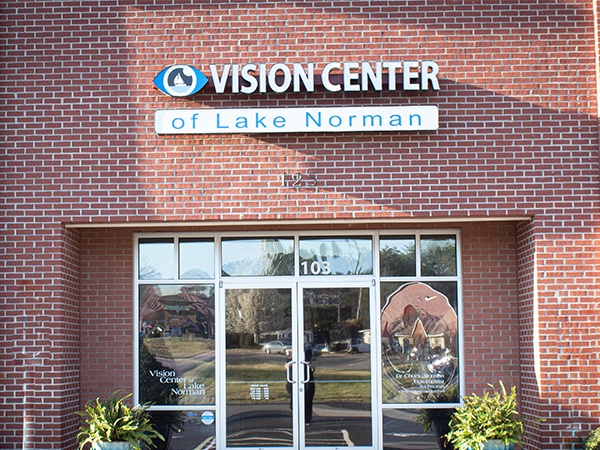
Discover personalized eye care excellence with our comprehensive services. From eye exams to advanced diagnostics, trust us for all your vision needs.
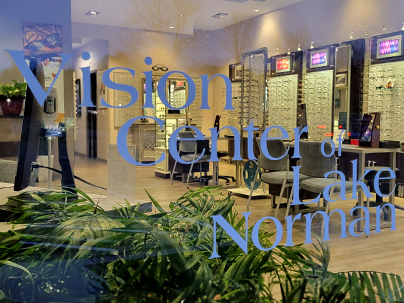
For non-urgent questions or to learn more about our services, contact us today!
© 2026 Vision Center of Lake Norman. All rights Reserved - Accessibility Statement - Privacy Policy - Sitemap
Managed and Designed by 

